Lots & Rebuilds
What should I check before buying an older North Pinellas home to rebuild?
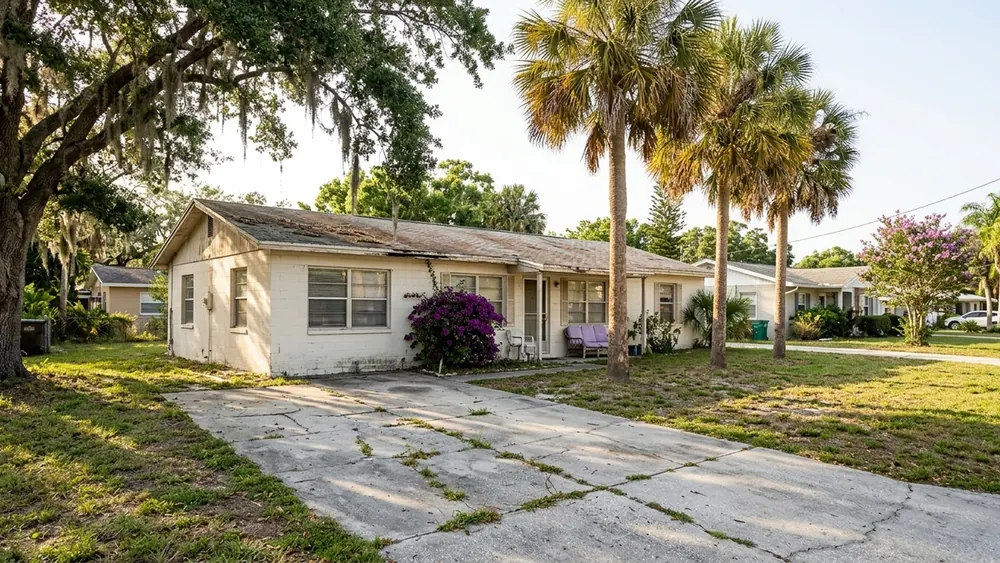
Before you buy an older North Pinellas home to rebuild, weigh the lot, the setbacks, the flood rules for new construction, utilities, and what permits a rebuild needs. Confirm each with the city, Pinellas County and the right professionals before you make an offer.
On this page
- The direct answer for a rebuild purchase
- Why the land matters more than the house
- Rules that can differ for new construction
- How setting changes the rebuild questions
- Assumptions to question before you offer
- Who confirms each part of the plan
- Where the real estate side fits in
- What to gather before you make an offer
The direct answer for a rebuild purchase
Before you buy an older North Pinellas home to rebuild, check the things that decide what a new home could be: the lot itself, the setbacks, the flood rules for new construction, the utilities, and the permits a rebuild would need. Confirm each one with the city, Pinellas County and the right professionals before you make an offer, not after. The existing house matters less than the answers about the land under it.
This matters because buying to rebuild is really buying a lot with a house on it. Your plan depends on the land and its setting, and on rules the current house may never have had to meet. An older home can sit on its lot in a way that would not be allowed for new construction today. Finding that out early keeps your plan grounded.
It also matters because the house itself can mislead you. A tired kitchen and an old roof are easy to see and easy to discount. The questions that shape a rebuild are harder to see: where a new home could sit, how high it might need to be, how it would connect to services, and what the review process involves. Those answers come from offices and documents, not from a walk through.
Why the land matters more than the house
When the plan is to rebuild, the existing house is mostly a question of what it costs to remove and what it leaves behind. The lasting value is in the lot and its setting. Two older homes that look alike can sit on very different lots, with different shapes, easements and flood considerations. Treat the land as the main purchase, and the house as one of the conditions that comes with it.
That shift in thinking changes your questions. Instead of asking what the house needs, ask what the lot allows and what the rules ask of a new home there. A home inspector can still help you understand what is on the property today. But the city, Pinellas County, a surveyor and a contractor are the people who answer what a rebuild would actually involve.
When you are buying to rebuild, look past the house and at the lot. Ask the city and a surveyor about the land before you fall for the plan.
Rules that can differ for new construction
An older home was built under the rules of its time. A new home is reviewed under the rules that apply when you build. That gap is where many rebuild surprises come from. Setbacks, flood rules for new construction and permit requirements can all shape a new home differently from the one standing there now. Ask the city’s permitting office what a rebuild on that specific lot would need to meet.
Flood rules deserve their own attention. Look at the FEMA flood maps, confirm what applies with Pinellas County and the city, and ask how flood rules for new construction might affect the design. An elevation certificate is a document that records how high a building sits, and it can become part of the conversation for both the existing house and a new one. A licensed insurance agent can speak to coverage questions.
Setbacks are the other big piece. They are the required distances between a building and the property lines, and they shape the footprint a new home could have. An older house may sit closer to a line than a new one could. Only the city and a surveyor can tell you what footprint the lot allows today, so ask before you plan around the shape of the existing house.
How setting changes the rebuild questions
Where the older home sits changes which questions lead. A home on the water in Palm Harbor or Clearwater may put flood rules, elevation and any seawall or dock questions at the front of the list, each one for the city, the county and the right professional. A home a few blocks inland may lead with setbacks, utilities and the permit process. A home on a barrier island like Belleair Beach may raise construction and elevation questions early.
The same is true near Lake Tarpon in Palm Harbor or close to a downtown area. The setting does not make a rebuild easier or harder in general. It changes the order of the questions and which office or professional you call first. Michael has handled the sale of a large Intracoastal property sold as-is in Dunedin, and that kind of property shows how quickly the questions turn to the land.
Assumptions to question before you offer
Some assumptions about rebuilding sound reasonable and still cause trouble. They often come from what a neighbour did, what a listing suggests, or what seems obvious from the street. Each one is worth turning into a direct question for the right source before you write an offer. These are the ones that tend to cause the most surprises for buyers planning a rebuild.
- Assuming a new home can sit in the same place as the existing house
- Assuming flood rules for new construction match what the old house met
- Assuming existing utility connections will serve a new home as they are
- Assuming a neighbour’s rebuild means the same plan works on your lot
None of these assumptions is always wrong. The point is that each one depends on the specific lot and the rules that apply when you build. A short call to the city, a survey, and a conversation with a contractor can turn each assumption into a confirmed answer. That work costs far less time before an offer than after a closing.
Who confirms each part of the plan
A rebuild purchase pulls in more people than a typical home purchase, because the questions reach past the house into land use, construction and flood rules. Keeping track of who answers what helps you avoid relying on a general rule that may not apply to your lot. This table pairs the main questions with the source that gives the official answer.
| Question | Why it matters | Who to ask |
|---|---|---|
| What setbacks apply to a new home | They shape the footprint you can build | The city and a surveyor |
| Which flood rules apply to new construction | They can affect design and insurance | FEMA flood maps and Pinellas County |
| What permits a rebuild needs | They set the review steps before building | The permitting office |
| What removing the old house involves | It affects planning and the overall budget | A contractor and the permitting office |
| Are there easements or restrictions | They can limit how the land is used | A title company and a surveyor |
Notice that cost and permit answers come from contractors and permitting offices, not from a real estate conversation and not from this article. Rules change, so an answer you received months ago may need to be checked again before you commit. Keep notes on who told you what and when, so you can confirm the important ones close to your decision.
Where the real estate side fits in
Michael’s part is the real estate side: helping you see what kind of property you are looking at, keeping your questions in order, and making sure the important ones are asked before an offer, while the city, the county and the professionals give the official answers. A real estate attorney can review contract terms if you want time to complete your checks before you are committed.
The Pinellas County Property Appraiser holds parcel records that can help you understand the lot on paper, and a title company can confirm ownership and recorded restrictions. Bringing those records into the conversation early helps everyone involved work from the same facts. It also helps you compare more than one older home on equal terms, by the land and its questions rather than by the house.
What to gather before you make an offer
Before a first conversation about an older home to rebuild, write down what you hope to build, how you plan to use it, and any timing you are working around. Gather what you can about the property: the listing details, the parcel record, any survey the seller has, and a note of what the FEMA flood maps show. Rough notes are enough to start.
If you are weighing an older home to rebuild anywhere in North Pinellas, including Safety Harbor, bring the property and your plan, and start with the question that feels least clear. There is no pressure in that first talk, only a way to sort what to verify first and who to call for each answer. Which question about the lot do you want answered before you make an offer?
This article is general information about buying and selling property in Pinellas County, Florida. It is not legal, tax, insurance, lending, survey or inspection advice and does not predict prices or promise results. Confirm flood zones with FEMA flood maps and Pinellas County, title and submerged land with a title company and surveyor, coverage with an insurance agent, zoning and permits with the city and county, property tax with the Pinellas County Property Appraiser, and financing with a lender. Michael Meoni, Charles Rutenberg Realty. Equal Housing Opportunity.

Written by