Lots & Rebuilds
What should I check before buying a lot in Safety Harbor to build on?
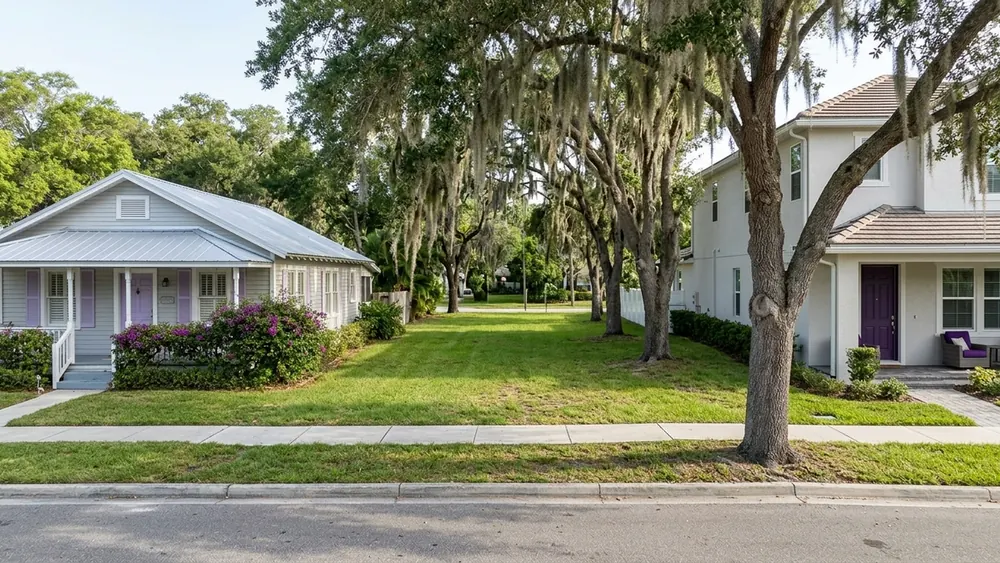
Before you buy a lot in Safety Harbor, check zoning and setbacks with the city, then utilities, flood zone, a current survey, and tree and permitting rules. Each lot has its own answers, so confirm them before you commit.
On this page
The short answer before you buy land
Before you buy a lot to build on, check five things: zoning and setbacks with the city, which utilities reach the lot, the flood zone, a current survey, and the tree and permitting rules that apply. Each of those can change what you are able to put on the land, or whether your plan works there at all. The time to find out is before you are under contract, or at least before your chance to walk away has passed.
This matters because a lot is not a house. With a house, you can walk through and see what you are getting. With a lot, most of what you are buying is a set of answers that live in offices and documents: what the land is zoned for, where a home can sit on it, how it connects to water and sewer, and what the flood rules ask of new construction. None of that shows up from the curb. You have to ask for it, and ask the right office.
It also matters because two lots on the same street can have very different answers. One may have a recent survey and clear access to utilities. The one next door may have an easement running through it, a large tree in the middle, or a shape that leaves less room than it seems. Treat every lot as its own question, and do not assume that what was true for a neighbour is true for you.
Questions to settle with the city first
Start with the city, because its answers frame everything else. Zoning tells you what kind of building the land allows. Setbacks are the required distances between a building and the property lines, and they shape the footprint a home can have. The permitting office can tell you what a new home would need before construction starts. Ask these questions plainly, write down who answered and when, and keep the answers with your other notes.
- What the lot is zoned for, and whether your planned home fits that zoning
- What setbacks apply, and how they shape where a home could sit on the land
- Which permits a new home would need, and what the review process looks like
- Whether any tree rules apply to trees already standing on the lot
What to check beyond zoning and setbacks
Zoning and setbacks are only part of the picture. A lot also has to connect to services, sit correctly on its boundaries, and meet the flood rules for new construction where it sits. These questions involve different people, and none of them is answered by a listing description. Work through them in order, and treat anything you cannot confirm as an open item rather than a yes. An open item is not a problem by itself. It only becomes one when nobody asks.
- Which utilities serve the lot, and what a connection would involve
- What the FEMA flood maps show for the lot, confirmed with Pinellas County
- Whether a current survey exists, or whether a surveyor should prepare one
- Whether a title company finds easements, restrictions or liens on the land
- What the Pinellas County Property Appraiser records show about the parcel
Assumptions that cause the biggest surprises
The most common surprise is assuming that a vacant lot can hold whatever home you picture. The lot size on a listing tells you very little on its own. Once setbacks, easements and any tree rules are applied, the space left for a home can be smaller or shaped differently than you expected. Only the city and a surveyor can tell you what the real footprint looks like for that specific parcel.
A second surprise is assuming that utilities are simply there. A lot may sit on a street with service nearby and still need work to connect, or it may need a conversation about how water and sewer reach it. Ask the city or Pinellas County who provides service to the lot and what a connection would require. Contractors can then tell you what that work involves for the home you have in mind.
A third surprise is treating the flood zone as a detail to sort out later. Flood rules for new construction can affect how a home is designed and built, and they can affect insurance. Look at the FEMA flood maps, confirm what applies with Pinellas County and the city, and ask a licensed insurance agent what coverage would look like before you settle on a plan. Those answers belong at the start, not after you close.
How setting changes the lot questions
Where a lot sits changes which questions come first. A lot close to downtown Safety Harbor may raise questions about how a new home fits the existing street and what the city’s review involves. A lot nearer the water may put flood rules and elevation at the front of the list. An elevation certificate is a document that records how high a building sits, and it becomes part of the conversation once a home is planned.
The same holds across North Pinellas. A lot in one setting and a lot in another may look similar on paper and still call for different checks. That is not a reason to avoid either one. It is a reason to ask the questions in the right order for the land in front of you, and to keep each answer tied to the office or professional who gave it. A lot near Lake Tarpon or one tucked inland may each raise a question the other does not.
Tell me which lot you are looking at and what you want to build. I will help you put the questions in order, then the city and county give the official answers.
Who answers each part of the decision
No single person answers everything about a lot. The City of Safety Harbor and its permitting office handle zoning, setbacks and permits. Pinellas County and the FEMA flood maps cover flood zone questions, and the Pinellas County Property Appraiser holds parcel records. A surveyor confirms boundaries and easements on the ground, a title company checks the ownership record, and contractors speak to what building would actually involve.
Michael can help on the real estate side: keeping your questions in order, making sure the important ones are asked before you commit, and pointing you to the office or professional who gives each official answer. A real estate attorney can review the contract terms if anything about the purchase is unusual. Keeping each question with its right source keeps you from relying on a guess where a confirmed answer is available.
What to gather before a first conversation
Before you talk through a lot, write down what you hope to build, roughly how you want to use the land, and any timing you are working around. You do not need finished plans. A simple description of the home you picture is enough to show which questions matter most, and it helps the city and any contractor understand what you are asking about when you call them. If you have a builder or designer in mind already, note that too, because they will have their own questions about the land.
Then collect what you can about the lot itself: the listing details, any survey the seller has, the parcel record from the Pinellas County Property Appraiser, and a note of what the FEMA flood maps show. If you have already spoken with the city, write down what you asked and what you heard. Having these together means a first conversation can focus on what is still unknown instead of starting from scratch.
If you are weighing a lot in Safety Harbor or elsewhere in North Pinellas, bring the address and your plan to Michael and start with the question that feels least clear. There is no pressure and no commitment in that first talk, only a way to sort what to verify first and who to call. Which question about your lot do you want answered before you make an offer?
This article is general information about buying and selling property in Pinellas County, Florida. It is not legal, tax, insurance, lending, survey or inspection advice and does not predict prices or promise results. Confirm flood zones with FEMA flood maps and Pinellas County, title and submerged land with a title company and surveyor, coverage with an insurance agent, zoning and permits with the city and county, property tax with the Pinellas County Property Appraiser, and financing with a lender. Michael Meoni, Charles Rutenberg Realty. Equal Housing Opportunity.

Written by