Lots & Rebuilds
What do buyers ask for when I sell a residential lot in Safety Harbor?
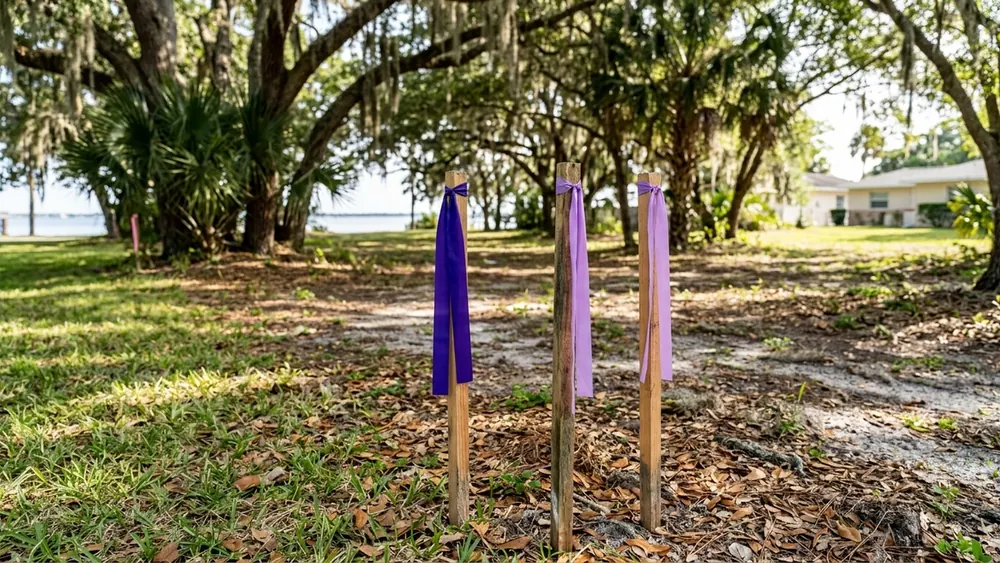
Buyers of a residential lot usually ask for a survey, the zoning, what utilities reach the land, the flood zone, and any easements or restrictions. Gathering what you can before listing lets you answer plainly and points buyers to the official sources.
On this page
What lot buyers want to know first
When you sell a residential lot in Safety Harbor, buyers usually ask for the same core set of things: a survey, the zoning, which utilities reach the land, the flood zone, and any easements or restrictions on the parcel. They ask because they cannot walk through a lot the way they would walk through a house. Everything they need to decide lives in documents and in answers from the city and county.
That makes preparation more important for a lot than for most homes. A buyer who cannot get clear answers early may slow down, ask for more time, or move on to another parcel. A seller who has gathered what is available, and who knows which office answers each remaining question, gives a buyer a clear path. You are not promising anything about what can be built. You are making the facts easy to find.
It also keeps the conversation honest. A lot is easy to describe in general terms and hard to describe precisely. The aim is to share what you actually know, mark what you do not know, and point to the city, Pinellas County, a surveyor or a title company for the rest. That approach protects you and lets each buyer do their own checking with confidence.
Why lot buyers ask so many questions
Most lot buyers are planning to build, and a plan to build depends on details a seller rarely thinks about day to day. Where a home could sit, how big its footprint could be, how it would connect to water and sewer, and what the flood rules would ask of new construction all shape whether the lot fits their plan. Each of those depends on the specific parcel, not on the street or the area.
Some buyers are careful by nature, and some have been surprised on a past purchase. Either way, their questions are reasonable. A buyer who learns late that an easement runs through the middle of the lot, or that the survey is old, may lose time and money. Expect thorough questions, and treat them as a sign of a serious buyer rather than a difficult one.
Builders and contractors who look at lots tend to ask the most detailed questions of all, because they are pricing work against what the land allows. Their questions often go straight to setbacks, utilities and access. You do not need to answer them yourself. Knowing where the official answers come from, and having the documents you hold ready, is usually what a builder needs to keep moving.
How setting shapes the questions you hear
Where a lot sits changes which questions come up first. A lot near downtown Safety Harbor may draw questions about how a new home would fit the existing street and what the city’s review looks like. A lot closer to the water may draw early questions about flood rules and elevation for new construction. A lot set back on an inland street may draw more questions about access and utilities.
The shape and condition of the land matter as well. A narrow or irregular lot may raise questions about how setbacks leave room for a home. A lot with large trees may raise questions about tree rules. A lot that once held a house may raise questions about what remains underground or how old connections were handled. None of these is a problem by itself, but each is a question a buyer will want answered.
Across North Pinellas, the pattern is the same. The setting and the parcel decide the questions, and the right office or professional decides the answers. Your part is to know which questions your particular lot is likely to raise, so that you can gather what you have and avoid being caught without a source when a buyer asks.
Documents to gather before you list
You do not need every answer before you list a lot, but having the basics together makes a real difference. Start with what you already hold, then fill gaps where you can. Anything you cannot find becomes a question to point a buyer toward, with the right source named. These are the documents and details buyers most often ask a lot seller to provide.
- A survey of the lot, or a note of when the last survey was done
- The parcel record from the Pinellas County Property Appraiser
- Any notes on which utilities serve the lot and where connections sit
- Title records showing easements, restrictions or any association documents
If your survey is old or missing, ask a surveyor whether a new one makes sense before you list. If you are unsure about easements or restrictions, a title company can review the record. Neither step promises an outcome, but each one turns a vague answer into a documented one, which is what lot buyers are looking for.
Who answers each question a buyer raises
Many questions a lot buyer asks are not yours to answer, and that is fine. The useful thing is to know who does answer them, so you can point a buyer to the right place instead of guessing. Guessing about zoning or flood rules can create problems later. This table shows common buyer questions and the source that gives the official answer.
| Buyer question | Why it matters | Who answers |
|---|---|---|
| What is the lot zoned for | Decides what kind of building is allowed | The City of Safety Harbor |
| Where could a home sit on it | Setbacks shape the footprint of a home | The city and a surveyor |
| Which utilities reach the land | Connection shapes how a home is planned | The city, Pinellas County and contractors |
| What flood zone applies | Affects new construction and insurance | FEMA flood maps and Pinellas County |
| Are there easements or restrictions | Can limit how the land is used | A title company and a surveyor |
Notice that a seller is not on that list as the final word on any of these. Your role is to share what you hold and make it easy for a buyer to confirm the rest. Rules change, so even a document you have may need to be checked again with the city or county before a buyer relies on it.
Disclosure and what to say plainly
Disclosure means telling a buyer what you know about the property that could affect their decision. What a lot seller must disclose is a question for a real estate attorney and official Florida sources, not for a general article. What you can do is write down everything you know about the land, from old structures to drainage you have noticed, and raise it early with the right professional.
Say what you know plainly, and avoid describing what a buyer could build. Phrases about what a lot allows belong to the city, not to a listing or a seller. If you heard something from a neighbour or a past owner, treat it as something to verify rather than a fact to repeat. That keeps your listing accurate and keeps the buyer checking with the offices that give official answers.
Your next step before selling the lot
Before a first conversation about selling your lot, put together what you have and note what you are missing. You do not need a finished package. A simple list of what you hold, and what you have heard but not confirmed, is enough to show where the gaps are and which professional can close each one. These are good things to bring along.
- Any survey, plat or site drawing you already have for the lot
- The parcel record and any tax notices from Pinellas County
- Anything you know about past structures, utilities or drainage on the land
- Questions a past buyer, neighbour or builder has already asked you
If you own a residential lot in Safety Harbor or elsewhere in North Pinellas and are thinking about selling, bring what you have to Michael and start with the question that feels least clear. The aim is to see which buyer questions your lot is likely to raise and who answers each one, with no pressure and no price promised. What do you already know about your lot, and what still needs checking?
This article is general information about buying and selling property in Pinellas County, Florida. It is not legal, tax, insurance, lending, survey or inspection advice and does not predict prices or promise results. Confirm flood zones with FEMA flood maps and Pinellas County, title and submerged land with a title company and surveyor, coverage with an insurance agent, zoning and permits with the city and county, property tax with the Pinellas County Property Appraiser, and financing with a lender. Michael Meoni, Charles Rutenberg Realty. Equal Housing Opportunity.

Written by