Waterfront Homes
Can I sell an older Intracoastal home in Pinellas County as-is?
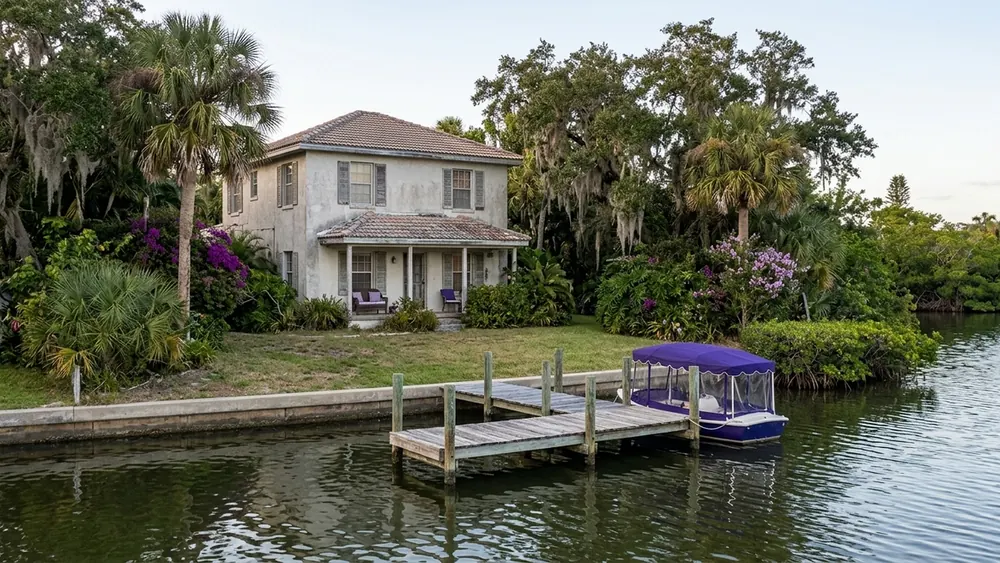
Yes. You can sell an older Intracoastal home in Pinellas County as-is by marketing it for its real condition, giving the disclosures Florida requires, and expecting buyers who may plan to renovate or rebuild.
On this page
Yes, and here is what as-is means
Yes. An older home on the Intracoastal anywhere in Pinellas County can be sold as-is. As-is means you are not planning to make repairs before the sale, and the home is marketed and priced for its real condition. It does not mean skipping disclosures. Florida requires sellers to give buyers certain disclosures, and a real estate attorney can tell you exactly what applies to your home and your situation.
This matters because older waterfront homes raise the same questions whether you repair them or not. Buyers will look at the seawall, the dock, the roof, the systems and the flood zone. Selling as-is does not make those questions go away. It changes who takes on the work after closing, and it shapes which buyers are interested in the home in the first place. Planning for those questions is what makes an as-is sale work.
Michael has handled the as-is sale of a large Intracoastal property in Dunedin, so this is a familiar path. Results vary from home to home, and no price or timeline is promised here. What stays the same is the approach: describe the home honestly, gather the records early, and let buyers see exactly what they are taking on before they make an offer.
Who tends to buy an older waterfront home
An older home on the water often draws buyers who are looking at the setting first and the house second. Some plan to renovate. Some plan to rebuild. Some want to live in the home for a while before deciding what to do with it. Each of those buyers reads the same listing differently, and each brings different professionals to the inspection. Knowing which group your home is likely to draw helps you decide what to gather and how to describe it.
A buyer planning to renovate will focus on structure, systems and what can be kept. A buyer planning to rebuild will focus on the lot, the survey, the water edge and their own questions for the city about what a new home would need. You cannot answer the city’s questions for them, and you should not try. You can make sure the records they will need are ready, so their questions get answered quickly.
Because the likely buyers are different, the marketing is different too. Photos and descriptions should show the water, the lot and the home’s real condition plainly. Overselling the house tends to attract buyers who walk away after the inspection. Describing it accurately tends to attract buyers who already expect what they will find, which makes for a steadier sale from offer to closing.
Condition, disclosure and the water edge
Start with disclosure, because it shapes everything else. Write down what you know about the home: past repairs, past water problems, the condition of major systems, and anything you have noticed but not fixed. Then take that list to a real estate attorney and ask what Florida requires you to disclose. Disclosure rules change, so confirm them with official Florida sources rather than relying on what a neighbor did.
The water edge comes next. Buyers of an Intracoastal home will ask about the survey, any submerged land documents, and the condition of the seawall and dock. A look before listing by a home inspector or a contractor who works on seawalls can tell you what buyers are likely to find. You do not have to fix what they find. Knowing about it in advance lets you describe it plainly and disclose it properly, instead of hearing about it for the first time from a buyer’s inspector.
Flood questions are the third piece. Buyers will check FEMA flood maps and ask whether an elevation certificate exists, which is a document a surveyor prepares about how the building sits. If you have one, find it. If you do not, a surveyor can tell you what producing one involves. Insurance questions belong to an insurance agent, and buyers will want early quotes, so expect those questions in the first conversations.
Records to gather before you list
An as-is sale runs more smoothly when the paperwork is ready before the first showing. Buyers of older waterfront homes ask detailed questions, and an answer backed by a document carries more weight than an answer from memory. Gather what you have, note what you cannot find, and decide with your attorney and the title company how to handle any gaps you discover.
- The survey, the deed and any submerged land documents you hold
- Any elevation certificate, plus records of past repairs and insurance claims
- Permits or records for the dock, boat lift and seawall, if they exist
- Your parcel record from the Pinellas County Property Appraiser
Do not worry if the list has gaps. Older homes often come with incomplete records, and buyers of older homes expect some of that. What causes trouble is a gap that surfaces late, after a buyer has already spent time and money on inspections. Finding the gaps yourself, early, lets you decide whether to fill them or simply disclose that the record does not exist.
Questions buyers ask and who answers them
Most buyers of an older Intracoastal home ask a predictable set of questions. You will not answer most of them yourself, and that is the point: each one has a professional or an office that gives the official answer. The table below pairs the common questions with why buyers ask them and who confirms the answer.
| Buyer question | Why it matters | Who answers |
|---|---|---|
| Where does the property end at the water? | The dock and the water edge depend on the boundary | A surveyor and the title company |
| Is there any submerged land document? | It can affect rights at the water edge | The title company or a real estate attorney |
| What condition is the seawall in? | Buyers weigh seawall repairs carefully | A home inspector or seawall contractor |
| What is the flood zone and elevation? | It shapes insurance and building questions | FEMA flood maps and a surveyor |
| What must the seller disclose? | Florida sets the disclosure requirements | A real estate attorney |
Keep a copy of this table with your records. When a buyer’s question arrives, you will know whether you hold the document, whether someone needs to produce it, or whether the buyer should ask their own professional. That keeps the sale moving without you giving answers that belong to someone else, such as a flood conclusion or an insurance estimate. Your role is to provide what you have and point to who can confirm the rest.
Selling as it stands compared with repairing first
Some sellers wonder whether a few repairs would change the outcome. Sometimes a small, clearly needed fix makes the home easier to show and easier for buyers to understand. Sometimes the work would simply be undone by a buyer who plans to renovate or rebuild anyway. There is no universal answer, and no one can promise that a repair will return what it costs.
The useful question is who is most likely to buy this home and what they will do with it. If the likely buyer is planning a rebuild, cosmetic work rarely matters to them. If the likely buyer wants to move in, condition carries more weight. A contractor can tell you what a repair would involve, and the real estate side is matching the plan to the buyer the property attracts.
Getting ready for a first conversation
Before you talk to anyone about listing, write down a few things. Describe the home and the lot plainly, including what you know is worn or broken. List the records you have and the ones you are missing. Note your own timing, and whether you are buying another home in North Pinellas at the same time, because that affects how the sale is planned.
- What you know about the roof, the systems, the seawall and the dock
- Which documents you hold and which ones you still need to find
- Your timing, and whether you are also buying another home
- Any questions for an attorney about what you must disclose
An older Intracoastal home in Palm Harbor, Clearwater, Belleair or anywhere else in Pinellas County can be sold for what it is. If you are weighing that path, bring your list to Michael and start with the property itself: what it is, where it sits and what it needs. From there, the plan follows the home rather than a script, and every question gets pointed to the person who can answer it. What is the one thing about your home’s condition you most want to describe plainly?
This article is general information about buying and selling property in Pinellas County, Florida. It is not legal, tax, insurance, lending, survey or inspection advice and does not predict prices or promise results. Confirm flood zones with FEMA flood maps and Pinellas County, title and submerged land with a title company and surveyor, coverage with an insurance agent, zoning and permits with the city and county, property tax with the Pinellas County Property Appraiser, and financing with a lender. Michael Meoni, Charles Rutenberg Realty. Equal Housing Opportunity.

Written by