Home Sellers
How do I sell a small condo in Pinellas County?
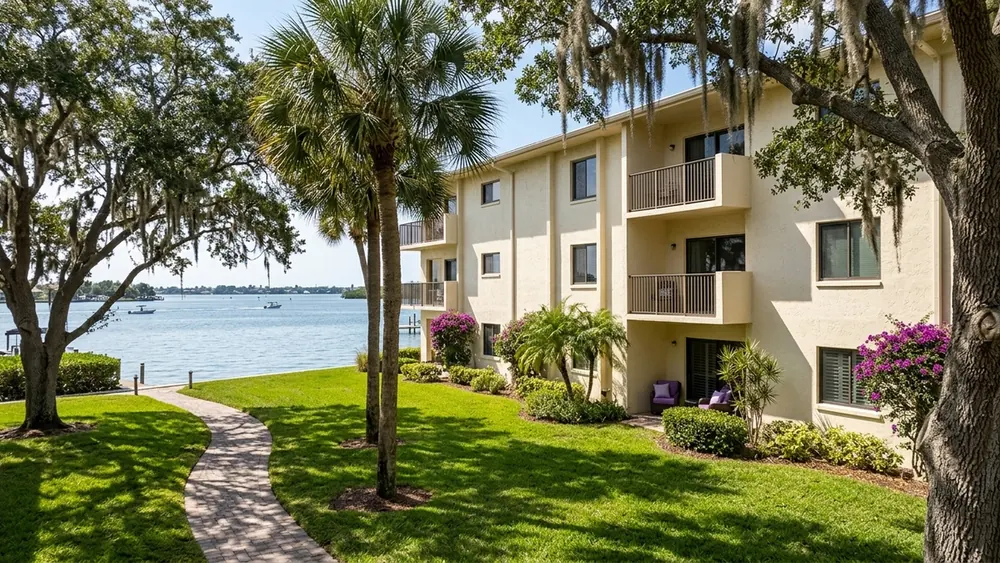
Start with the association documents, an honest look at the unit’s condition, and a clear picture of what buyers will ask. A small condo in Pinellas County sells on its paperwork and its condition as much as on its setting.
On this page
The short answer for a small condo
To sell a small condo in Pinellas County, start with three things: the association documents, a plain assessment of the unit’s condition, and a list of the questions buyers are likely to ask. A small condo in Clearwater, Largo, Dunedin or the beach areas draws buyers who read the rules and fees closely, because those details shape what living there will actually involve. Having the answers ready before you list keeps the sale moving and keeps surprises out of it. It also gives you a calmer starting point, because you know what is in the documents before anyone else asks.
A small condo is not a scaled down house. It is a unit inside a building that an association runs, so a buyer is weighing two things at once: your unit and the building around it. Your unit’s condition is the part you control. The association’s rules, fees, budget and building condition are the part buyers will ask about, and you will need to point them to the right documents rather than answer from memory. That split between unit and building is the first thing to understand about any condo sale.
This matters because a condo buyer’s first questions are often about paperwork, not paint. If you can hand over current documents and describe the unit plainly, you look prepared and the buyer can decide sooner. If the documents are hard to find or out of date, the conversation stalls while everyone waits. Getting organized early is the simplest thing you can do to make a small condo sale feel steady, whatever the size of the unit or its spot in the building.
What condo buyers in Pinellas County will ask
Condo buyers tend to ask the same core questions, whatever the size of the unit. Some can be answered by you, some by the association, and some only by an outside professional. Knowing which is which keeps you from guessing. Before you list, think through how you would answer each of these, and where the official answer lives if it is not yours to give. A buyer who gets clear, sourced answers early is more likely to stay focused on the unit itself.
- What the association fee covers and what the owner pays separately
- Whether the association allows rentals and on what terms
- What the rules say about pets, parking, storage and guests
- Whether any building repairs or assessments have been discussed or approved
Documents to gather before you list
Most of what a condo buyer needs lives in the association’s records, not in your head. Ask the association or its manager how to request current copies, and do it early, because it can take time to pull everything together. Keep your own records alongside them. Here is a practical starting list to collect and read before your first conversation about listing. If something on the list does not exist for your association, note that too, since buyers may ask.
- The current declaration, bylaws and rules and regulations from the association
- The current budget and a statement of what your regular fees cover
- Recent association meeting minutes and any notices about planned building work
- Your own records of repairs, upgrades and appliance replacements inside the unit
- Any approval steps the association requires before a buyer can purchase
Presenting a small unit plainly
A small condo shows well when it is clean, uncluttered and described honestly. Buyers looking at a compact unit want to picture how their own things will fit, so less furniture and clear surfaces usually help. You do not need to dress the space up. You need to let it read as what it is: a manageable home with a known set of rooms, storage and light.
Describe condition without softening it. If the kitchen is original or the bathroom is dated, say so in plain words. Buyers will see it at the showing anyway, and an honest description brings people who are already comfortable with what the unit needs. Overstating condition tends to cost time later, when an inspection or a walkthrough tells a different story than the listing did. A plain description sets expectations early, which tends to make later conversations simpler.
Setting is part of the description too, but keep it factual. Saying a unit is near downtown Safety Harbor, close to the Pinellas Trail, on the Intracoastal or in the beach areas tells a buyer where it sits. Leave the sunsets and lifestyle language out. Buyers can judge the setting for themselves, and a plain description of location and condition earns more trust than any adjective. Let the setting be a fact in the description, not the whole pitch.
Who answers each condo question
Some condo questions belong to you, and many do not. The association and its documents answer questions about rules, fees, budgets and approvals. A home inspector answers questions about the unit’s condition. An insurance agent answers questions about coverage. The Pinellas County Property Appraiser answers property tax questions, and a real estate attorney or title company handles legal and closing questions. Your part is to know where each answer lives.
Keeping each question with its proper source protects you as a seller. If you guess at a fee, a rule or a tax figure and the guess is wrong, it can unsettle a buyer at the worst moment. Pointing to the current documents and the right professional is not dodging the question. It is giving the buyer an answer they can rely on, and it keeps your own words accurate. It also keeps you out of the position of defending a number you never confirmed.
I give a small condo the same attention as a large waterfront home. Get the association documents early, describe the unit honestly, and most of the hard questions answer themselves.
Assumptions that slow condo sales down
One common assumption is that the association documents can wait until there is a buyer. In practice, gathering them late is one of the most frequent reasons a condo sale loses momentum. Another is assuming that because a unit is small, buyers will skip the details. Buyers of compact units often read the rules and fees more closely, because those costs weigh heavily in their decision. The size of a unit does not shrink the questions.
A third assumption is that the building’s condition is someone else’s problem. It is not your job to fix the building, but buyers will ask about planned work and assessments, and the minutes and notices are where those answers start. Read them before you list so nothing in them catches you off guard. If something is unclear, ask the association to explain it in writing, and keep that explanation with your other records.
What to gather before a first conversation
Before you talk with anyone about selling, write down a few basics: when you bought the unit, what you have changed or repaired inside it, and what you know about the association’s fees and rules. Note anything you are unsure about. You do not need complete answers. A rough list is enough to see which documents to request and which questions to send to the association. Keep the list somewhere easy to find, because you will add to it as answers come in.
Then think about timing and your next move. Are you selling to buy elsewhere in North Pinellas, to move away, or to simplify? Do you need the sale to close before something else happens? Those answers shape how you plan the listing. If you are also buying, a conversation with a lender early on can help you understand how the two moves might line up. A sale and a purchase can be sequenced several ways, and the right order depends on your situation.
Michael has handled the sale of a small condo and can help you put your questions in order, from the association documents to how the unit is described. There is no pressure in a first conversation, and you do not need a finished plan. What do you already know about your association’s documents, and what still needs to be gathered?
This article is general information about buying and selling property in Pinellas County, Florida. It is not legal, tax, insurance, lending, survey or inspection advice and does not predict prices or promise results. Confirm flood zones with FEMA flood maps and Pinellas County, title and submerged land with a title company and surveyor, coverage with an insurance agent, zoning and permits with the city and county, property tax with the Pinellas County Property Appraiser, and financing with a lender. Michael Meoni, Charles Rutenberg Realty. Equal Housing Opportunity.

Written by