Home Sellers
Should I update my older North Pinellas home before selling, or sell it as it is?
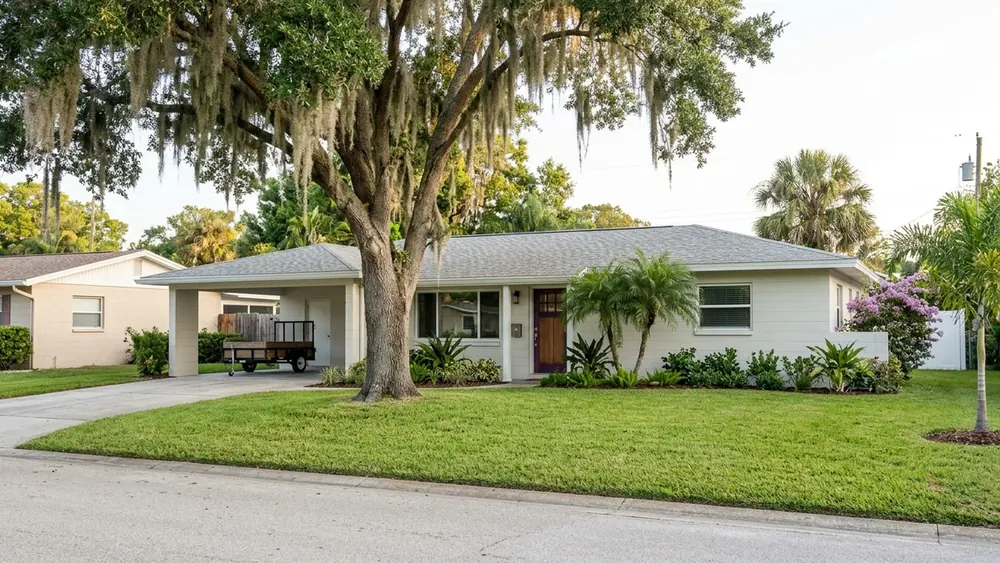
It depends on the home, the setting and who is likely to buy it. Some older homes suit a few targeted repairs, and others suit an honest as-is sale to buyers who plan to renovate or rebuild.
On this page
The answer depends on the property
Whether to update an older North Pinellas home before selling or sell it as it is depends on three things: what the house actually needs, where it sits, and who is most likely to buy it. Some homes reward a few targeted repairs. Others suit an as-is sale, which simply means offered in their current condition, without the seller making repairs first. Neither path is right for every home.
The decision matters because it shapes your preparation, your costs before listing and the buyers you attract. An older home near downtown Dunedin, a house a few blocks inland in Palm Harbor or Safety Harbor and an older waterfront home on the Intracoastal in Clearwater can each point toward a different answer. Starting with the property, rather than with a general rule, keeps the choice grounded in the house you actually own.
It also matters because the two paths ask different things of you. Updating means time, contractors and decisions about what to change. Selling as-is means describing condition plainly and expecting buyers who look closely at what the house needs. Knowing which path fits before you start avoids spending effort on work that a likely buyer may not value, or skipping work that would have helped.
What updating before a sale involves
Updating before a sale can range from small fixes to larger projects. Small fixes might be repairs a buyer would otherwise flag right away, such as a leak, a broken fixture or worn paint. Larger projects might touch a kitchen, a bathroom or major systems. The bigger the project, the more it involves contractors, scheduling and, in some cases, permits from the city or Pinellas County.
Before you commit to any project, get real information rather than assumptions. A contractor can tell you what a specific repair would involve. The permitting office can tell you whether a project needs a permit. No one can promise what a given update will add to a sale, so treat any project as a decision about condition and presentation, not as a sure return on what you spend.
A pre-listing inspection is one way to see the house the way a buyer’s inspector will. It does not decide anything for you, but it can show which items are small and which are significant. With that report in hand, you can choose to repair some items, disclose others, or leave the whole picture to the buyer. Ask a home inspector what such an inspection covers.
What selling as-is involves
Selling as-is means you offer the home in its current condition and do not plan to make repairs before closing. It does not mean hiding anything. Buyers will still inspect, ask questions and expect clear information. What changes is the expectation: you price and describe the home for what it is today, and buyers weigh it with their own plans for the property in mind.
Disclosure is part of any sale, and an as-is sale is no exception. What you must tell a buyer about known conditions is a legal question, and the rules can change. Ask a real estate attorney what disclosures apply to your home, and check official Florida sources in general terms. Do not rely on a general rule you read somewhere, because your own situation is what counts.
As-is buyers often include people who plan to renovate, and sometimes people interested in the land itself. Michael has handled the sale of a large Intracoastal property that was sold as-is, and that kind of sale goes more smoothly when the condition is stated plainly from the start. Clear information brings buyers who are comfortable with the work the house needs.
Questions to ask before deciding
Before choosing a path, a short list of questions helps you think through the decision on your own terms. You do not need to answer them alone. Some are for you, some are for a contractor or inspector, and some are for a conversation about who is likely to buy a home like yours. Write your answers down so you can compare the two paths side by side.
- What the house needs now, and which items a buyer would notice first
- Whether you have the time, budget and energy to manage repairs before listing
- Who is likely to buy this house, and whether they plan to renovate
- Whether any planned work would need a permit from the city or county
Your answers usually point one way. If the house needs only a few visible repairs and you have the time, a light update may make sense. If it needs extensive work, or you would rather not manage contractors, an honest as-is sale may fit. Many sellers land in between, fixing a few small things and leaving larger work to a buyer. That middle path is common and perfectly reasonable, as long as the condition is described honestly.
Who answers each condition question
Condition questions belong with different professionals, and sorting them early keeps your decision based on real information. The real estate side, such as how buyers see a property and how to present it, is a conversation you can have with Michael. The rest belongs with the people who can give an official or professional answer, as laid out below.
| Question | Why it matters | Who to ask |
|---|---|---|
| What does the house need | Shows which items buyers will raise | A home inspector |
| What would a repair involve | Tells you the scope before you commit | A licensed contractor |
| Does the work need a permit | Unpermitted work can raise buyer questions | The city or the permitting office |
| What must I disclose | Disclosure is a legal obligation | A real estate attorney |
| Who is likely to buy this home | Shapes how to prepare and present it | Michael, on the real estate side |
Notice that no one on that list is guessing. Each answer comes from the person whose job it is to know. If a contractor, inspector or attorney tells you something that changes your thinking, that is the system working. Write down who told you what, so your plan rests on answers you can point back to rather than on general advice.
How setting changes the picture
Where an older home sits can change the decision. An older home on the water, for example, raises questions about flood zone, elevation, seawalls and insurance that a buyer will ask whatever you decide about updates. A home a few blocks inland may raise fewer of those questions. In both cases, FEMA flood maps, the city and an insurance agent are the right sources.
The lot matters too. Some buyers look at an older home mainly for the land, especially when the lot is large or the setting is on or near the water. For those buyers, interior updates may matter less than the survey, the flood zone and what the city or Pinellas County would allow. That is one reason to understand your likely buyer before spending on updates.
Before you decide on a path
Before a first conversation about selling, gather what you already know about the house. You do not need a finished plan or a list of quotes. A clear picture of the home’s condition, history and setting is enough to start weighing the two paths. These are useful things to have on hand, even if some of them turn out to be incomplete or missing.
- A list of known issues, repairs and upgrades, with rough dates if you have them
- Any past inspection reports, permits or warranties for work on the house
- Your survey and any flood or elevation documents if the home is near the water
- Your own limits on time, money and effort for work before a sale
With that list in hand, the choice between updating and selling as it is becomes a practical conversation rather than a guess. Michael can walk through what your home is, where it sits and who is likely to buy it, and help you decide which path fits. There is no pressure in that first talk. What does your home need most right now?
This article is general information about buying and selling property in Pinellas County, Florida. It is not legal, tax, insurance, lending, survey or inspection advice and does not predict prices or promise results. Confirm flood zones with FEMA flood maps and Pinellas County, title and submerged land with a title company and surveyor, coverage with an insurance agent, zoning and permits with the city and county, property tax with the Pinellas County Property Appraiser, and financing with a lender. Michael Meoni, Charles Rutenberg Realty. Equal Housing Opportunity.

Written by